How Stem Cell Therapy Is Changing Regenerative Medicine

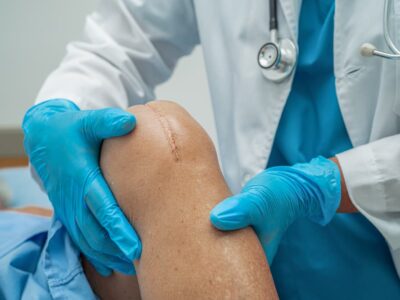

Regenerative medicine has always carried an ambitious promise: repair tissue that the body cannot adequately heal on its own, restore function rather than simply suppress symptoms, and give clinicians options beyond replacement surgery or lifelong medication. For years, that promise often lived more in laboratories than in routine patient care. Stem Cell Therapy is changing that balance. Not by magic, and not all at once, but through a steady shift in how doctors think about healing.
What makes the field different from many past medical trends is that stem cells are not just another drug class. They behave more like biological building blocks and signaling hubs. Depending on the cell type, the disease, and the way they are delivered, stem cells may replace damaged cells directly, stimulate local repair, regulate inflammation, or support the recovery of native tissue. That flexibility is exactly why the field excites surgeons, hematologists, neurologists, orthopedists, and tissue engineers alike. It is also why progress has been uneven, because a treatment that makes sense for blood cancers may not behave the same way in arthritic knees, spinal cord injury, or heart failure.
The public conversation around stem cells often swings between hype and skepticism. In practice, the reality is more interesting. Some uses are long established and lifesaving. Others remain investigational but increasingly plausible. A few are oversold. Understanding where Stem Cell Therapy truly stands requires looking at both the clinical wins and the hard biological limits.
The idea behind stem cells, stripped of the marketing
Stem cells matter because they can self-renew and, under the right conditions, develop into more specialized cell types. That is the textbook description, but it does not fully capture their practical value. In real clinical settings, the key question is not whether a stem cell can theoretically become another cell. The real question is whether it can survive, function, integrate into tissue, and improve a patient’s outcome without causing harm.
Broadly speaking, physicians and researchers work with several categories of stem cells. Hematopoietic stem cells, which generate blood and immune cells, are the most established in medicine. Mesenchymal stromal or stem cells, often discussed in orthopedic and inflammatory conditions, are attractive because of their immunomodulatory and tissue-supporting effects. Induced pluripotent stem cells, created by reprogramming adult cells, have transformed research and may play a larger therapeutic role over time. Embryonic stem cells remain scientifically important because of their pluripotency, though they raise ethical and regulatory questions and are used far less often in direct clinical practice.
That diversity explains why Stem Cell Therapy is not one treatment. It is a category of strategies. Saying “stem cells work” or “stem cells do not work” is a bit like saying “surgery works” without asking whether one means cataract surgery, liver transplant, or arthroscopic repair. The disease context changes everything.
The oldest success story still teaches the best lesson
If you want proof that regenerative medicine is real, bone marrow and blood stem cell transplantation are the clearest examples. For decades, hematopoietic stem cell transplantation has been used to treat leukemias, lymphomas, aplastic anemia, inherited immune deficiencies, and other serious blood disorders. In these cases, the treatment is not experimental theater. It is standard care in many centers.
The process is demanding. Patients may undergo high-dose chemotherapy or radiation, which destroys diseased marrow but also wipes out normal blood-forming capacity. Donor or autologous stem cells are then infused to rebuild the blood and immune system. The biology is elegant, but the clinical course is anything but simple. There are real risks, including infection, graft-versus-host disease, organ toxicity, and relapse. Yet for many patients, the potential benefit justifies those risks because few alternatives offer comparable long-term survival.
This long history matters for a broader reason. It shows that regenerative medicine succeeds when three things line up: the biology is well understood, the target tissue is accessible or naturally permissive, and the clinical endpoint is meaningful. Blood is a tissue that constantly renews itself. Stem cells are already designed to maintain it. That makes hematology a much more favorable proving ground than, say, rebuilding a scarred heart muscle or a chronically degenerated spinal disc.
Repair is not always replacement
https://alexishdna753.capitaljays.com/posts/stem-cell-therapy-for-arthritis-emerging-options-for-reliefOne of the biggest shifts in the field has been moving away from the simplistic belief that stem cells need to turn into new tissue cells to be useful. In many situations, especially with mesenchymal cell therapies, benefit may come less from direct replacement and more from signaling. These cells can release growth factors, cytokines, and extracellular vesicles that influence inflammation, vascularization, and local repair mechanisms.
That distinction has changed trial design and clinical expectations. Early narratives often imagined stem cells as tiny construction workers that would settle into damaged tissue and rebuild it from scratch. Experience has shown that engraftment is often limited, especially outside blood disorders. Yet meaningful biological effects can still occur if the cells alter the local environment enough to help the body repair itself more effectively.
A practical example appears in orthopedic medicine. Patients with osteoarthritis, tendon injury, or cartilage defects often hope for a treatment that “regrows” tissue. The truth is more nuanced. Some investigational stem cell-based approaches may reduce pain, modify inflammation, or improve function, but durable cartilage restoration remains difficult. Weight-bearing joints are mechanically harsh environments. Degeneration develops over years, often with abnormal alignment, obesity, prior injury, or age-related wear contributing to the problem. A cell therapy delivered into that setting faces a steep challenge. It may help, but it is unlikely to erase every structural issue on its own.
Where regenerative medicine is moving fastest
Some areas of medicine are especially well suited to stem cell-based strategies because the therapeutic need is high and current treatments remain limited. Ophthalmology is one example. The eye is relatively accessible, the anatomy is precise, and outcomes such as visual function can be measured with some clarity. This has made retinal diseases and corneal disorders important targets for cell-based research.
Neurology is another area drawing intense interest. Conditions like Parkinson’s disease, spinal cord injury, stroke, and amyotrophic lateral sclerosis create devastating disability and often lack restorative therapies. Here, Stem Cell Therapy offers two distinct hopes. One is replacement of lost or damaged cells. The other is support of surviving tissue through anti-inflammatory, neuroprotective, or trophic effects. The difficulty is that the nervous system is highly complex. Cells must not only survive but also connect appropriately, avoid uncontrolled growth, and function within existing circuitry. That is a much taller order than simply reaching the target.
Cardiology has followed a similar arc. After a heart attack, the body replaces dead muscle with scar. The dream has been to regenerate functioning myocardium and improve pumping capacity. Clinical studies over the years have produced mixed results, with some signals of benefit in selected settings but less dramatic regeneration than early publicity suggested. The field has matured because of that disappointment. Researchers are now paying closer attention to cell type, dosing, timing, delivery method, and whether the goal is remuscularization, vascular support, inflammation control, or scar modulation.
Wound care and reconstructive surgery may ultimately prove to be some of the most practical frontiers. Chronic diabetic ulcers, radiation injuries, burns, and complex soft tissue defects all involve impaired healing environments. In these settings, cell-based therapies may work in concert with scaffolds, growth factors, offloading strategies, and meticulous surgical care. That combination model often makes more sense than expecting cells alone to solve a multifactorial problem.
The engineering side that patients rarely hear about
Many of the most meaningful advances in Stem Cell Therapy are happening behind the scenes, in manufacturing suites and translational labs rather than exam rooms. Anyone who has worked around cell therapy development learns quickly that the science of growing cells is only half the battle. The other half is making them consistently, safely, and at scale.
Cells are not pills. They are living products. Their behavior can change depending on donor characteristics, culture conditions, storage, passage number, transport, and thawing technique. Two cell preparations with the same label may not be biologically identical. That variability has been one of the quiet obstacles to reliable clinical outcomes.
Researchers now spend enormous effort on potency assays, release criteria, viability testing, sterility standards, and manufacturing controls. Those details sound technical, but they shape whether a therapy works in the real world. A treatment that performs beautifully in a tightly run academic pilot study may disappoint when reproduced across multiple centers if the product is not standardized.
The rise of biomaterials has added another dimension. Cells often need a supportive microenvironment, not just an injection needle. Hydrogels, scaffolds, and matrix materials can help retain cells at the target site, improve survival, and influence differentiation. In bone and cartilage repair especially, the future may belong less to isolated Stem Cell Therapy and more to integrated tissue engineering, where cells, materials, and biologically active signals are designed together.
What is already credible, what is promising, and what deserves caution
Patients and even some clinicians struggle to distinguish established care from speculative treatment. That confusion is understandable because the same phrase, Stem Cell Therapy, can refer to very different levels of evidence.
A practical way to think about the landscape is this:
- Established uses include hematopoietic stem cell transplantation for selected blood cancers, marrow failure syndromes, and certain inherited disorders.
- Emerging but still developing applications include specific eye diseases, some immune-mediated conditions, tissue repair strategies, and targeted trials in neurology, cardiology, and orthopedics.
- Commercial claims that promise broad rejuvenation, anti-aging effects, or guaranteed regeneration across many unrelated diseases deserve particular skepticism.
- Autologous does not automatically mean proven or risk-free. A patient’s own cells can still be ineffective, contaminated, poorly characterized, or delivered inappropriately.
- Good medicine in this field is usually slow, protocol-driven, and transparent about limits.
That last point is worth emphasizing. The clinics making the boldest promises are often the least careful about evidence. Legitimate centers tend to talk more about eligibility, endpoints, manufacturing standards, adverse events, and realistic timelines than miracle outcomes. That can sound less exciting, but it is usually a sign of seriousness.
The ethical and regulatory pressure points
Few areas of medicine force ethical questions as directly as regenerative medicine. Some debates center on cell sources, especially when embryonic material is involved. Others concern consent, commercialization, access, and the way desperate patients are marketed to.
The regulatory challenge is unusually delicate. If oversight is too loose, vulnerable patients may be exposed to unsafe or ineffective procedures. If it is too rigid, genuinely useful therapies may become prohibitively slow or expensive to develop. Agencies in many countries have had to adapt frameworks that were originally designed for drugs and biologics, then apply them to living cell products with far more complexity.
There is also a fairness issue that does not get enough attention. Advanced cell therapies are expensive to manufacture and deliver. They often require specialized collection, storage, processing, and hospital infrastructure. That means the first wave of access tends to cluster in major academic centers and wealthier health systems. Regenerative medicine can be scientifically impressive while still falling short socially if only a narrow slice of patients can receive it.
What clinicians have learned about patient selection
One of the quiet truths in regenerative medicine is that outcome quality often depends as much on choosing the right patient as on choosing the right cell. This is not unusual in medicine, but the mismatch between public expectations and biological reality can be especially stark here.
Consider osteoarthritis again. A relatively younger patient with localized cartilage damage, good joint alignment, healthy surrounding tissue, and disciplined rehabilitation habits has a very different chance of benefit than an older patient with diffuse bone-on-bone degeneration, inflammatory flare, obesity, and significant instability. In both cases, the words “stem cell treatment for the knee” may be used. Clinically, they are not the same scenario.
The same principle applies in neurology and cardiology. Timing matters. Tissue environment matters. So does the degree of irreversible damage. There is usually a window where regenerative strategies have the best chance to help, after acute chaos has settled but before chronic scarring and functional loss become too entrenched. Finding that window is not easy, and it varies by disease.
Experienced clinicians also look beyond the target organ. Diabetes control, smoking status, autoimmune activity, vascular supply, nutrition, infection risk, and medication use can all influence whether a cell-based intervention has a reasonable chance of success. The more sophisticated the therapy, the less forgiving it tends to be of poor host conditions.
The next phase will be more precise, and probably less flashy
The early era of Stem Cell Therapy was driven by broad hope. The next era is being shaped by precision. Researchers are asking more exact questions now. Which cell subtype is optimal? Should the cells come from the patient or a donor? Is the key therapeutic agent the cell itself, its secreted factors, or a derived product such as extracellular vesicles? Is local injection enough, or does the tissue need a scaffold? Which biomarkers predict response?
These are less cinematic questions than “Can stem cells cure disease?” but they are far more useful. Progress in medicine usually comes from this kind of narrowing. Cancer care improved when it moved from treating tumors by organ alone to treating them by molecular profile. Regenerative medicine may follow a similar path, where success depends on matching the right biologic product to the right tissue state at the right time.
Gene editing and stem cell science are also beginning to intersect in important ways. For inherited disorders, one powerful model is to collect a patient’s cells, correct a mutation ex vivo, expand the corrected cells, and return them. This is technically demanding and expensive, but conceptually it is compelling because it combines regeneration with root-cause repair. Some blood disorders are already helping define that path.
Questions patients should ask before pursuing treatment
Because the marketplace is crowded and the terminology can be slippery, patients benefit from a disciplined set of questions before agreeing to any stem cell-based procedure.
- What exact cells are being used, and how are they processed?
- Is this treatment part of an approved indication, a registered clinical trial, or an off-label commercial offering?
- What published evidence supports this use for my condition specifically?
- What are the realistic benefits, risks, alternatives, and total costs?
- How will success be measured over time?
A reputable program should answer those questions clearly. Vague language is a warning sign. So is the promise of broad benefit across unrelated conditions, especially if the same product is marketed for orthopedic pain, neurodegeneration, anti-aging, and immune disorders all at once. Serious medicine rarely works that way.
Why the field still deserves measured optimism
For all the caution the topic requires, it would be a mistake to react to the hype by dismissing the field altogether. Regenerative medicine is advancing because the underlying biology is real and increasingly actionable. Clinicians now understand much more about stem cell niches, tissue signaling, immune interactions, scaffold design, manufacturing quality, and patient selection than they did even a decade ago. That deeper understanding is likely to produce fewer grand claims and more reliable therapies.
The most important change may be conceptual. Medicine has long been dominated by strategies that remove, suppress, or replace. Remove the tumor. Suppress the immune system. Replace the joint. Those approaches remain essential, but Stem Cell Therapy expands the therapeutic imagination. It asks whether damaged systems can be instructed to recover function rather than simply managed after decline.
That shift is already visible in established blood therapies, in serious trials for retinal and neurologic diseases, in sophisticated work on engineered tissues, and in the gradual refinement of orthopedic and wound-healing applications. The field is not moving in a straight line. Some programs will fail. Some indications will prove less responsive than hoped. A few current approaches may be abandoned altogether. That is normal in medicine, especially when dealing with living products and complex tissues.
What matters is that regenerative medicine is becoming less speculative and more disciplined. The language is improving. The trial design is improving. The manufacturing is improving. And with that, the chances of delivering durable, defensible patient benefit are improving too.
Stem Cell Therapy is changing regenerative medicine not because it offers instant biological renewal, but because it is teaching the field how to repair with greater precision. That may be slower than the public once imagined, yet it is far more meaningful. Real progress in medicine usually looks like this: less spectacle, more evidence, and steadily better care for patients who previously had too few options.
Denver Regenerative Medicine | Stem Cell Therapy, HRT, Testosterone Clinic
Address: 5040 Corporate Plaza Dr Ste 7, Colorado Springs, CO 80919
Phone number: +17205831648
FAQ About Stem Cell Therapy
What are the negative side effects of stem cell therapy?
Stem cell therapy can cause mild short-term reactions like injection-site pain, fatigue, and low-grade fever. More serious risks include infection, immune system rejection, blood clots, unintended tissue growth or tumors, and severe complications from unproven treatments at unregulated clinics.
What diseases can stem cells cure?
Currently, stem cells routinely and effectively cure specific blood cancers, immune deficiencies, and blood disorders using established bone marrow or cord blood transplants. Most other applications—such as for Parkinson's, diabetes, or heart failure—remain experimental or in clinical trials rather than proven cures.
Do stem cell treatments really work?
Yes, stem cell treatments work, but only for a very specific group of conditions. Hematopoietic stem cell transplants (bone marrow transplants) are fully proven and widely used to treat blood cancers like leukemia and lymphoma. However, commercial stem cell treatments for joint pain, arthritis, and wrinkles are largely unproven, experimental, and costly.